












DDoS attacks are no longer occasional spikes of bad traffic; they are a constant, industrialized part of the internet’s background noise. Cloudflare alone mitigated over 20 million attacks in a single recent quarter, and multiple threat-intelligence providers now track tens of millions of incidents a year across every sector, from eCommerce and iGaming to SaaS, Forex, and personal websites/blogs.
2026 is an interesting year in the sphere of cyber security. Attackers increasingly use AI-assisted tools to script attacks, probe defenses in real time, and rotate vectors the moment mitigation kicks in – turning what used to be a blunt flood into an adaptive, multi-layer campaign that hits the network and application layers simultaneously.
Hyper-volumetric attacks measured in multiple terabits per second, once rare, are now recorded regularly, while a large share of application-layer attacks last only seconds or minutes; just long enough to cause disruption before defenses can react.
Downtime is expensive. Industry surveys consistently put the cost of an hour of downtime well into five figures for many businesses, and the damage isn’t limited to lost transactions; it includes reputational harm and SEO impact that can take months to recover from. Protecting your website is no longer a “nice to have” but a necessity.
In this article we break down the concrete steps to make your infrastructure resilient in 2026.
1. Use Dedicated DDoS Mitigation Services
Standard firewalls are not built to absorb large or sustained attacks. Purpose-built mitigation platforms typically combine:
- Automated, always-on detection
- Real-time traffic scrubbing
- Behavioral and anomaly-based analysis
- Coverage across volumetric, protocol, and application-layer attack types
NetShop’s Advanced DDoS Protection comes as fully managed and supports detection at all layers (L1 – L7). Check out the DDoS Protections plans here.
2. Deploy CDN for Global Traffic Distribution
A Content Delivery Network (CDN) spreads incoming requests across many global points of presence, absorbing traffic surges before they reach your origin server.
Some of the benefits of adopting CDN into your infrastructure are:
- Faster load times for legitimate visitors
- Extra bandwidth headroom during traffic spikes
- Reduced load on your origin infrastructure
- Built-in redundancy against regional attack concentration
3. Implement Rate Limiting and Traffic Shaping
Application-layer (Layer 7) attacks are harder to detect because the traffic looks legitimate. What ddos appliances used to easily detect two years ago, today is becoming ten times harder.
Rate limiting and traffic shaping help contain:
- Credential-stuffing and login abuse
- API request floods (a growing target, especially for smaller businesses)
- Aggressive scraping
- Low-and-slow Layer 7 attacks designed to exhaust backend resources rather than bandwidth
4. Harden Your Web Server Configuration
Server-level hardening remains one of the highest-return, lowest-cost defenses:
- Disable unused services and ports
- Adjust connection limits and timeouts
- Enable and configure caching
- Run efficient web servers (Nginx, LiteSpeed) configured for high-concurrency loads
Fine-tuning as well as security hardening are services provided as part of NetShop’s Managed SLA plans.
5. Use a Web Application Firewall (WAF)
Because so much of today’s attack volume targets the application layer, a WAF is essential rather than optional. It should block:
- Malformed or malicious HTTP requests
- Repetitive, bot-like request patterns
- Known exploit signatures (including protocol-level exploits like HTTP/2 stream abuse)
- High-frequency POST/API floods

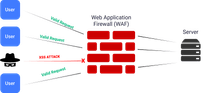
NetShop ISP offers two types of Firewalls; virtual and hardware. Both come as self-managed or fully managed, standalone or in high-availability mode.
6. Strengthen DNS Resilience
DNS remains a preferred target because taking down DNS takes down your site even if hosting itself is healthy. You can reduce this exposure by:
- Using multiple, geographically distributed DNS providers
- Enabling DNSSEC
- Filtering abusive or misconfigured resolvers
- Choosing DNS providers with built-in DDoS protection
A premium DNS hosting service supporting DNSSEC, failover, and Geo-based load balancing of requests can help you strengthen your infrastructure’s resilience.
7. Build and Test an Incident Response Plan
No defense is perfect, and a fast, rehearsed response minimizes damage when an attack gets through. As per best practices we have been implemented both internally and to various organizations, your incident response plan should define:
- Emergency contacts and escalation paths
- Monitoring thresholds that trigger action
- Internal and external communication steps
- Failover and rollback procedures
- Regular simulated-attack drills so teams respond with confidence under real pressure
Key takeaways for your Website’s Protection from DDoS Attacks
DDoS attacks in 2026 are bigger, faster, and more adaptive than ever. The organizations that stay resilient are the ones that combine infrastructure-level protection (mitigation services, CDN, DNS resilience) with application-layer hardening (WAF, rate limiting, server tuning) and a tested incident response plan.
Choosing a hosting provider with built-in DDoS protection, scalable infrastructure, and security-focused support can make a real difference when an attack hits.
Explore our hosting security solutions to protect your platform in 2026 and beyond, or contact us to schedule a free consultation with our cybersecurity and infrastructure specialists.


